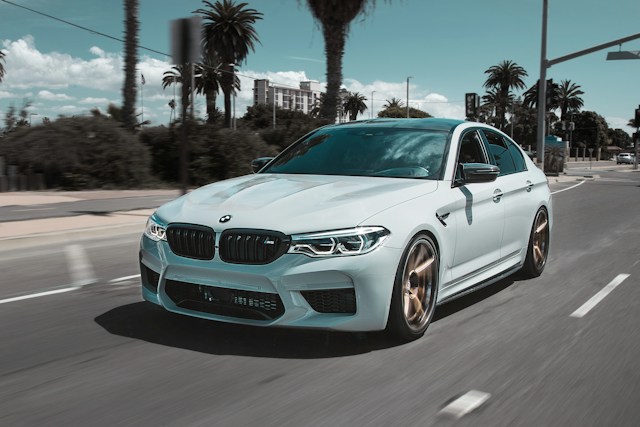
Two Ways to Connect With a Sports Car
A manual rewards direct involvement; a dual-clutch gearbox handles shifts with speed and convenience.
A transmission changes the relationship between engine speed and road speed. In a sports car, it also shapes the driver’s experience. Two popular approaches are the traditional manual gearbox and the dual-clutch transmission. Neither can be judged only by how quickly it changes gear; the better choice depends on what you enjoy and how you will use the car.
A manual transmission asks the driver to select gears and operate a clutch pedal. Coordinating clutch, accelerator, and shift lever takes practice, but many enthusiasts value the involvement. Choosing a gear before a bend or completing a smooth shift can feel satisfying. The driver performs a meaningful part of the process instead of asking the car to do it automatically.
That involvement has a cost in convenience. Stop-and-go traffic can make repeated clutch operation tiring. A person who shares the vehicle with someone unable or unwilling to drive a manual must also consider that limitation. Furthermore, not every manual gearbox feels the same. Pedal weight, lever travel, gear spacing, and the car’s response influence the experience as much as the label “manual.”
A dual-clutch transmission uses two clutches to manage different sets of gears. The system can prepare an upcoming gear while another is in use, allowing very quick changes when conditions are suitable. Many versions can shift automatically or let the driver request shifts through paddles or a selector. Porsche’s PDK is a well-known example, though the behavior of dual-clutch gearboxes differs by manufacturer and model.
For drivers who spend time in traffic, the ability to let the car handle shifts can be valuable. A dual-clutch system may also deliver consistent performance during demanding driving because gear changes are managed electronically. But speed does not guarantee enjoyment for every person. Someone who loves operating a clutch may feel that part of the experience is missing, even if the automatic car is objectively quicker in a measured test.
There are practical questions beyond preference. How smoothly does the transmission move in slow traffic or when parking? Is its behavior predictable on a hill? Are servicing requirements clearly documented? A complex transmission may carry different maintenance and repair considerations from a manual. Costs vary widely, so examine information for the exact model and year rather than relying on a general claim that one type is always cheaper.
The engine and gearing also matter. A manual with poorly chosen ratios might keep the engine outside the range you enjoy. A dual-clutch car might shift at times you would not have chosen in automatic mode but feel better when controlled with paddles. Try several situations during a test drive: gentle acceleration, city traffic, a safe winding road, and parking. Each reveals something different.
Avoid equating driver skill with one transmission type. A manual requires particular coordination, but driving well also includes observation, smooth braking, tire awareness, and respect for the road. A dual-clutch gearbox does not make a driver careless or eliminate the need to understand the car. Both can reward attentive driving.
Ownership plans can change the answer. If the sports car is a weekend pleasure and the shifting process itself is central to your enjoyment, a manual may be compelling. If it is also your daily transport through congestion, a dual-clutch model may be easier to live with. There is no universal rule that says the most engaging car must be the fastest.
Choose after experiencing the actual vehicles, not simply reading their specifications. Pay attention to how each gearbox behaves and how you feel after an hour behind the wheel. A transmission is an interface you will use on every journey. The right one is the one that makes those journeys work for you.

Popular Tools
Recent Posts