Choosing Between a Laptop and a Desktop PC
The better computer is the one that fits where and how you actually work.
A laptop and a desktop PC can run many of the same applications, but they solve different practical problems. The decision is not simply about which one has the faster processor. It is about where you work, how often you move, what accessories you need, and how long you expect the computer to serve you.
Start by describing a normal week. Do you work at the same desk every day, or move between home, office, classrooms, and clients? If you need one computer and your files with you in several places, a laptop has a clear advantage. Its screen, keyboard, trackpad, and battery are built into one portable device. A desktop requires a fixed setup and a separate way to take your work elsewhere.
A desktop offers a different kind of flexibility. Many models let you select a larger monitor, a keyboard you enjoy, and a mouse that fits your hand. Depending on its design, you may also be able to replace or upgrade components over time. This can be useful when your work changes, but do not assume every desktop is equally upgradeable. Small and all-in-one systems can have more restrictions than a conventional tower.
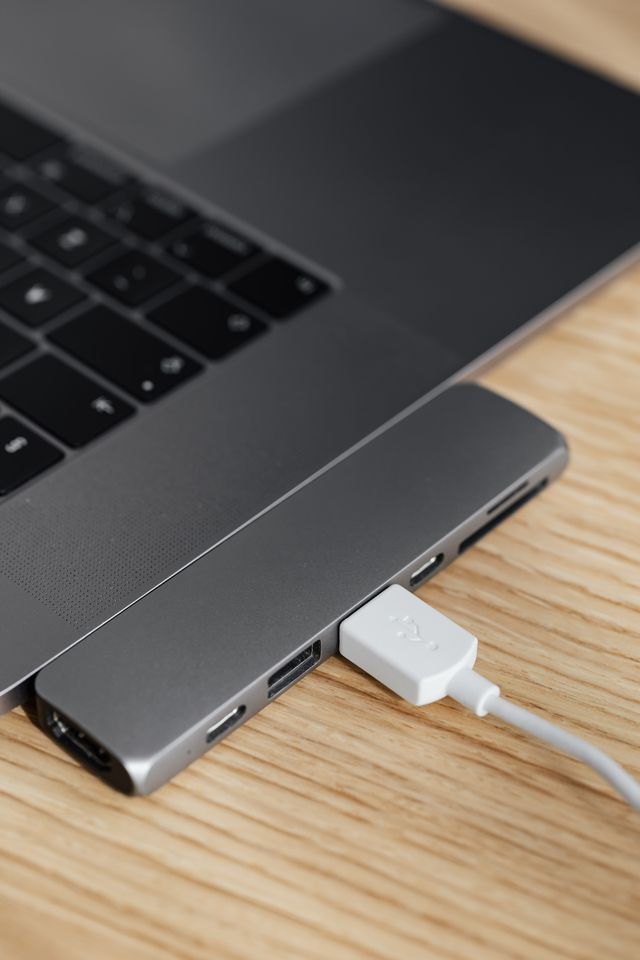
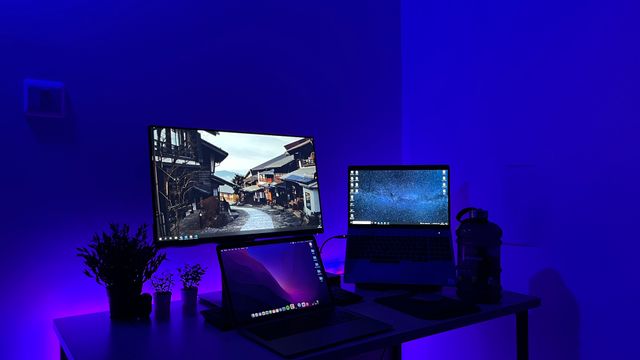
A laptop can still work well at a permanent desk. An external display, keyboard, and mouse can make long sessions more comfortable. You can unplug it when you need to leave. However, remember to include the cost and available ports for those accessories. A portable computer used mostly in one location may offer convenience, but you should decide whether you actually use that convenience.
Performance needs careful comparison. Two computers carrying similar processor names may behave differently because of cooling, power limits, memory, and other design choices. A desktop with room for larger cooling equipment may be better suited to sustained demanding work, while a well-chosen laptop may be entirely sufficient for office tasks, web development, editing, or study. Check evidence for the specific models and workloads you care about rather than assuming that one form factor always wins.
Think about power interruptions and mobility. A laptop battery can let you continue working briefly when a power outlet is unavailable. A desktop normally needs continuous external power; an appropriate uninterruptible power supply may help with short outages and safe shutdowns. Battery life claims for laptops also depend on screen brightness, applications, and the age of the battery, so your results may differ from advertising.
Repairs and upgrades deserve attention before purchase. Find out whether a laptop’s memory is soldered, whether its storage can be replaced, and how service is handled. For a desktop, check the case size, power supply, available slots, and compatibility with possible future parts. A computer that cannot be upgraded is not necessarily a poor choice, but you should know the limitation before paying for it.
Compare complete costs. A desktop price may exclude the monitor, keyboard, mouse, speakers, and backup power. A laptop includes many of these functions, but a comfortable desk setup or a future battery replacement may add costs. Also consider warranty service and the time you would lose if the device needed repairs.
Finally, choose for your most frequent tasks, not an unlikely future scenario. Someone who travels every week may value portability more than the ability to replace a graphics card. Someone who works at one desk and needs several monitors may prefer a desktop. If both descriptions apply, a laptop connected to a desk setup may be a practical middle ground.
Write down your three most important requirements and compare actual models against them. This simple exercise often reveals the answer more clearly than a long list of specifications. The right computer should make your ordinary work easier, not merely look impressive on a product page.

Popular Tools
Recent Posts